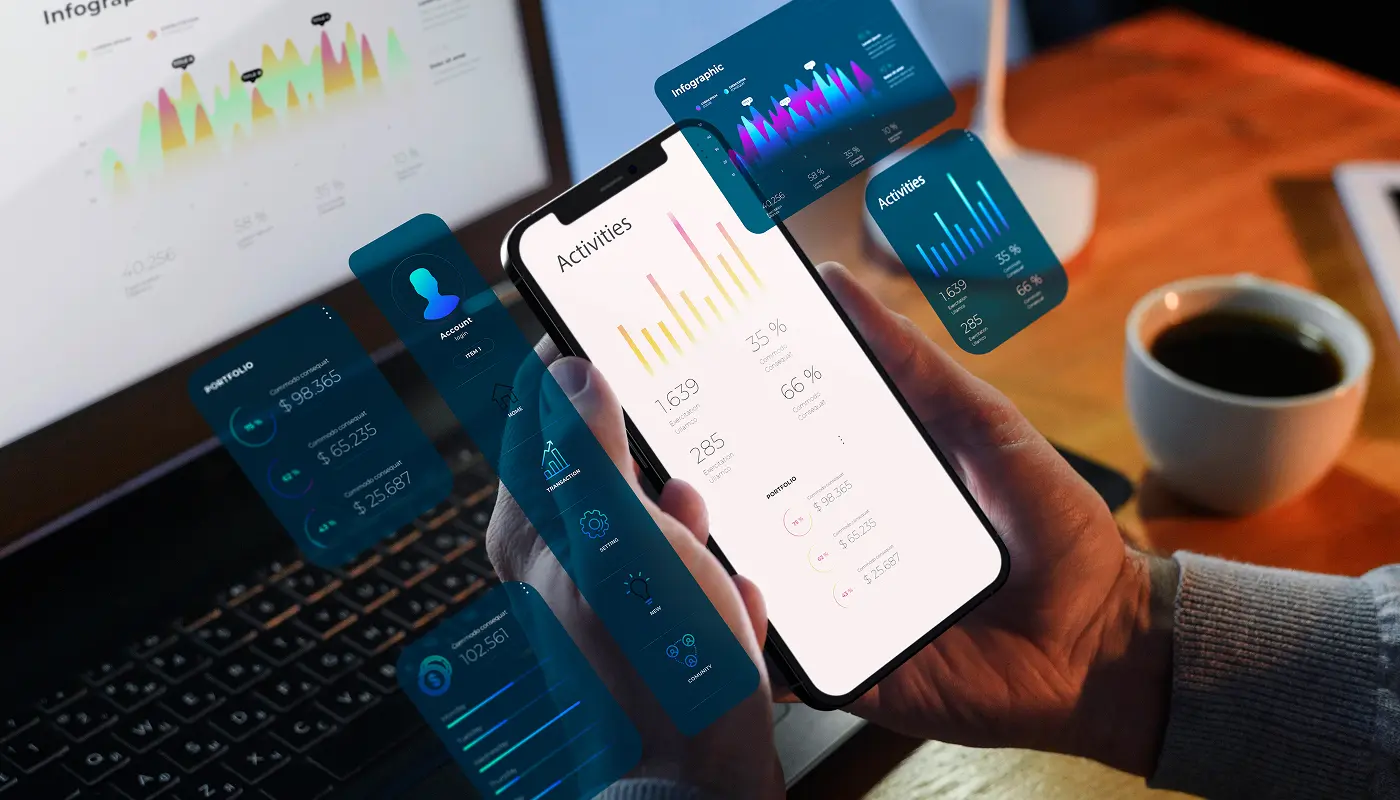
Businesses today are expected to deliver fast, seamless, and engaging digital experiences across every device. Users want websites that load instantly, applications that work smoothly, and platforms that remain accessible even when network conditions are less than ideal.
This growing demand for better user experiences has led many organizations to adopt Progressive Web Apps (PWAs).
PWAs combine the accessibility of websites with many of the features traditionally associated with mobile applications. They help businesses improve performance, reduce development complexity, and provide a more consistent experience for users across devices.
As digital expectations continue to evolve, Progressive Web Apps are playing an increasingly important role in how businesses build and deliver modern digital products.
Bridging the gap between websites and mobile apps
For years, businesses had to choose between building a website or investing in separate native applications for Android and iOS.
Websites offered broad accessibility but often lacked advanced mobile capabilities. Native apps provided better experiences but required higher development costs and ongoing maintenance.
Progressive Web Apps bridge this gap by combining the strengths of both approaches.
They provide:
- App-like user experiences
- Responsive design across devices
- Faster performance
- Home screen installation
- Push notification support
- Improved accessibility through browsers
This allows businesses to reach users more efficiently while reducing development overhead.
Faster experiences lead to better engagement
User expectations have changed dramatically over the last few years.
Slow-loading websites often lead to:
- Higher bounce rates
- Reduced engagement
- Lower conversions
- Poor customer satisfaction
PWAs are designed with performance in mind. By using modern web technologies and intelligent caching mechanisms, they can load quickly and deliver smooth interactions even under less-than-perfect network conditions.
A faster experience often translates directly into improved customer engagement and better business outcomes.
Mobile-first experiences without app store dependency
One of the biggest advantages of PWAs is their ability to provide app-like functionality without requiring users to download software from an app store.
Users can:
- Visit a URL
- Access the application instantly
- Save it to their home screen
- Launch it like a mobile app
This reduces friction in the user journey and makes it easier for businesses to attract and retain users.
For organizations looking to improve mobile experiences without maintaining separate applications, PWAs offer a practical solution.
Supporting users even with limited connectivity
Internet connectivity is not always reliable.
For businesses serving mobile users, field teams, travelers, or customers in areas with unstable networks, accessibility becomes extremely important.
PWAs can store essential content and application resources locally on a device, allowing certain functionality to remain available even when internet access is limited.
This helps create a more reliable and uninterrupted user experience while improving customer satisfaction.
Lower development costs and easier maintenance
Developing separate applications for web, Android, and iOS platforms can require significant resources.
Progressive Web Apps allow businesses to maintain a unified application experience across multiple platforms using a single development approach.
Benefits include:
- Reduced development costs
- Faster deployment cycles
- Easier maintenance
- Simplified updates
- Consistent user experiences
This makes PWAs particularly attractive for startups, growing businesses, and organizations seeking cost-effective digital solutions.
Better discoverability through search engines
Unlike traditional mobile applications that rely heavily on app store visibility, PWAs can be indexed by search engines.
This creates additional opportunities for businesses to attract users through organic search traffic.
Advantages include:
- Improved online visibility
- Easier content sharing
- Direct access through URLs
- Better support for SEO strategies
By combining search engine visibility with app-like functionality, businesses can improve both discoverability and user engagement.
A consistent experience across devices
Modern users frequently switch between smartphones, tablets, laptops, and desktop computers.
PWAs are designed to adapt automatically across different screen sizes and devices, helping businesses deliver a consistent experience regardless of how users access the platform.
This flexibility is particularly valuable for businesses that serve customers across multiple channels and devices.
Supporting modern digital transformation initiatives
As organizations continue investing in digital transformation, they are looking for technologies that improve customer experiences while reducing operational complexity.
PWAs are increasingly being used for:
- Customer portals
- eCommerce platforms
- Service booking systems
- SaaS applications
- Employee dashboards
- Business management platforms
Their flexibility and scalability make them suitable for a wide range of industries and business models.
The future of web-based experiences
Web technologies continue to evolve rapidly, making Progressive Web Apps more capable than ever before.
Future improvements are expected to bring:
- Enhanced performance
- Better device integration
- Stronger security capabilities
- More advanced offline functionality
- Improved user experiences
As businesses continue prioritizing speed, accessibility, and user engagement, PWAs are likely to become an even more important part of modern application development strategies.
Why businesses are paying attention to PWAs
Progressive Web Apps are changing digital experiences by offering a powerful combination of performance, accessibility, flexibility, and cost efficiency.
They help businesses deliver app-like experiences without many of the limitations associated with traditional mobile application development.
For organizations looking to improve customer engagement, streamline development efforts, and support long-term digital growth, PWAs provide a modern and practical approach to building future-ready digital products.
FAQs
Are Progressive Web Apps suitable for enterprise applications?
Yes. PWAs are increasingly being used for customer portals, employee dashboards, internal business tools, and enterprise platforms because they offer scalability, accessibility, and lower maintenance costs.
Can a Progressive Web App replace both a website and a mobile app?
In many cases, yes. A well-developed PWA can provide website accessibility along with many mobile app features, reducing the need to maintain separate applications.
Do Progressive Web Apps require users to download anything?
No. Users can access a PWA directly through a web browser. They can also choose to add it to their device’s home screen for quicker access.
Which industries benefit most from Progressive Web Apps?
Industries such as eCommerce, healthcare, education, logistics, travel, finance, and SaaS businesses often benefit from PWAs due to their speed, accessibility, and cross-platform support.
What should businesses consider before choosing a PWA?
Businesses should evaluate their user requirements, offline functionality needs, device feature requirements, performance expectations, and long-term product strategy before deciding between a PWA and a native mobile application.