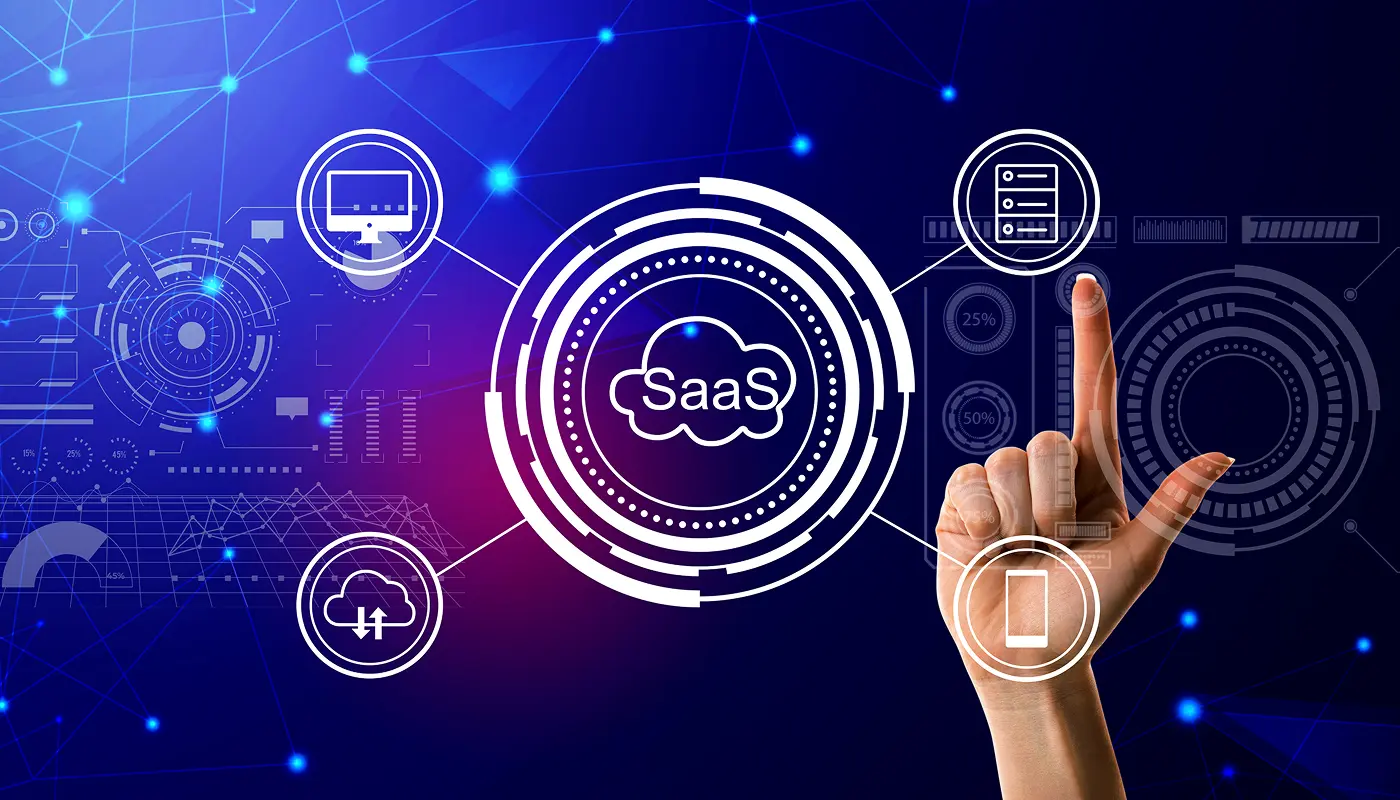
Software as a Service (SaaS) continues to dominate the modern software landscape. Businesses of all sizes are adopting cloud-based applications to improve flexibility, reduce infrastructure costs, and support digital growth.
At the core of many successful SaaS platforms is a technology approach known as multi-tenant architecture.
From CRM systems and project management tools to accounting software and enterprise platforms, multi-tenant architecture has become the foundation of many modern SaaS applications.
As cloud technologies continue evolving, multi-tenant systems are becoming more scalable, secure, and efficient, making them a preferred choice for businesses building next-generation software products.
What is multi-tenant SaaS architecture?
Multi-tenant architecture is a software design approach where a single application instance serves multiple customers, often referred to as tenants.
While all tenants use the same core application, their data, configurations, and user environments remain isolated and secure.
In simple terms, multiple businesses can use the same SaaS platform without accessing or affecting each other’s information.
This approach differs from single-tenant architecture, where each customer has a separate software environment and infrastructure setup.
Why multi-tenant architecture became the standard for SaaS
As SaaS adoption increased, software providers needed a more efficient way to manage infrastructure, updates, and maintenance.
Multi-tenant architecture offered several advantages:
- Lower infrastructure costs
- Easier software maintenance
- Faster feature deployment
- Better scalability
- Simplified updates and upgrades
- More efficient resource utilization
These benefits helped SaaS companies serve large numbers of customers while maintaining operational efficiency.
Key advantages driving future adoption
Improved scalability
One of the biggest reasons multi-tenant architecture continues to grow is its ability to scale efficiently.
As customer demand increases, businesses can expand resources without creating separate environments for every customer.
This allows SaaS providers to:
- Support more users
- Handle growing workloads
- Expand globally
- Scale cloud infrastructure efficiently
Scalability remains one of the most important requirements for modern SaaS platforms.
Cost-effective infrastructure management
Managing separate environments for every customer can become expensive and operationally complex.
Multi-tenant systems allow businesses to share infrastructure resources while maintaining data separation.
This helps reduce:
- Hosting costs
- Infrastructure expenses
- Maintenance requirements
- Deployment complexity
As cloud adoption grows, cost efficiency will continue to be a major advantage of multi-tenant SaaS models.
Faster innovation and feature releases
Modern SaaS providers frequently release new features, security updates, and performance improvements.
In multi-tenant environments, updates can be deployed centrally without requiring separate upgrades for each customer environment.
This allows businesses to:
- Deliver new features faster
- Improve user experiences continuously
- Reduce maintenance efforts
- Accelerate software innovation
The ability to update all users simultaneously is a major reason why SaaS businesses prefer this architecture.
How cloud-native technologies are shaping the future
The future of multi-tenant SaaS is closely connected to cloud-native development.
Cloud-native platforms support:
- Dynamic resource allocation
- High availability
- Automated scaling
- Global accessibility
- Containerized deployments
These technologies help SaaS providers build more flexible and resilient applications while improving operational efficiency.
Cloud-native architecture is making multi-tenant SaaS systems more powerful than ever before.
Growing role of AI in SaaS platforms
Artificial Intelligence is increasingly becoming part of modern SaaS applications.
AI-powered SaaS platforms can provide:
- Personalized user experiences
- Intelligent recommendations
- Predictive analytics
- Workflow automation
- Smart reporting and insights
Multi-tenant systems allow SaaS providers to deploy AI capabilities efficiently across large customer bases while maintaining performance and scalability.
As AI adoption increases, multi-tenant architectures will play an important role in delivering intelligent software experiences.
Security remains a top priority
One of the most common concerns regarding multi-tenant systems is data security.
Modern SaaS platforms address this through advanced security measures such as:
- Data isolation mechanisms
- Encryption technologies
- Role-based access controls
- Multi-factor authentication
- Continuous monitoring
- Compliance management
As cybersecurity threats continue evolving, future SaaS architectures will place even greater emphasis on security and privacy.
Businesses selecting SaaS platforms increasingly evaluate security capabilities before making technology decisions.
API-first ecosystems and integrations
Modern businesses rely on connected digital ecosystems rather than standalone software applications.
As a result, multi-tenant SaaS platforms increasingly support API-first architectures.
This allows seamless integration with:
- CRM systems
- ERP platforms
- Payment gateways
- Analytics tools
- Marketing platforms
- Customer support systems
Flexible integration capabilities help businesses create connected workflows and improve operational efficiency.
Personalization without sacrificing scalability
One challenge SaaS providers face is balancing personalization with scalability.
Customers increasingly expect:
- Custom dashboards
- Personalized workflows
- Industry-specific configurations
- User-specific experiences
Future multi-tenant architectures are becoming more flexible, allowing businesses to deliver customized experiences while maintaining the efficiency of shared infrastructure.
This trend is helping SaaS platforms meet diverse customer requirements without increasing operational complexity.
Challenges SaaS providers must prepare for
While multi-tenant architecture offers many advantages, businesses must still address challenges such as:
- Data governance
- Performance optimization
- Tenant isolation
- Compliance requirements
- Infrastructure monitoring
- Security management
Successful SaaS providers invest in strong architecture planning, cloud infrastructure, and security frameworks to ensure long-term platform reliability.
Building the next generation of SaaS platforms
Multi-tenant architecture will continue to be the foundation of modern SaaS development because it supports scalability, cost efficiency, faster innovation, and cloud-native growth.
As businesses demand more intelligent, connected, and personalized software solutions, SaaS platforms must evolve to support larger workloads, stronger security, AI-powered capabilities, and seamless integrations.
Organizations that invest in modern multi-tenant architecture today will be better positioned to build scalable, future-ready SaaS products that support long-term growth and customer success.
FAQs
What is multi-tenant SaaS architecture?
Multi-tenant architecture is a software design model where multiple customers use the same application instance while keeping their data and configurations separate and secure.
Why is multi-tenant architecture popular for SaaS platforms?
It helps reduce infrastructure costs, simplify maintenance, improve scalability, and allow faster software updates.
Is multi-tenant SaaS architecture secure?
Yes, modern SaaS platforms use encryption, access controls, data isolation, and monitoring systems to protect customer data.
How does multi-tenant architecture improve scalability?
It allows businesses to support more users and workloads through shared infrastructure without creating separate environments for every customer.
What role will AI play in the future of SaaS platforms?
AI will help SaaS platforms deliver automation, predictive analytics, personalized experiences, and smarter business insights across customer environments.




 Instant Catalog