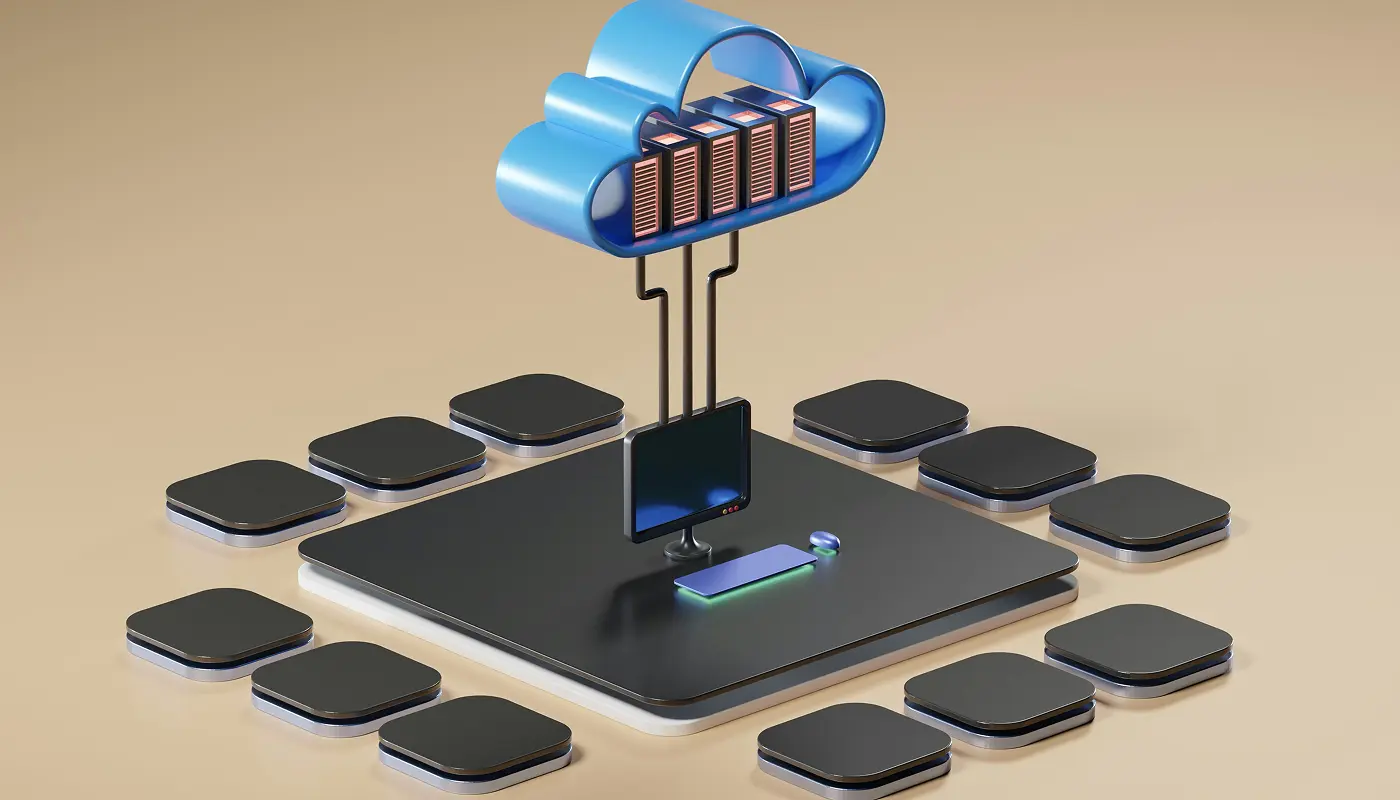
Businesses today are rapidly moving toward cloud-based technologies to improve flexibility, scalability, and operational efficiency. One of the biggest shifts in the software industry is the growing adoption of SaaS platforms over traditional software systems.

SaaS, or Software as a Service, has transformed how businesses access, manage, and scale software applications. Instead of purchasing and installing software on local systems, businesses can now access applications through the cloud using a subscription-based model.

From startups to large enterprises, organizations across industries are choosing SaaS platforms because they are easier to deploy, more cost-effective, and better suited for modern digital operations.

What Is SaaS?

SaaS (Software as a Service) is a cloud-based software delivery model where applications are hosted online and accessed through web browsers or mobile apps.

Instead of managing physical installations and infrastructure, users can access software over the internet through monthly or annual subscriptions.

Common examples of SaaS platforms include:

  • CRM software
  • Project management tools
  • Accounting platforms
  • Communication applications
  • HR management systems
  • Cloud storage platforms

SaaS platforms are widely used because they simplify software access and reduce infrastructure complexity.

What Is Traditional Software?

Traditional software typically requires installation on local computers or company servers.

Businesses using traditional software often need to manage:

  • Hardware infrastructure
  • Software installations
  • Manual updates
  • Security patches
  • Licensing management
  • Internal maintenance teams

While traditional software still works for some use cases, it often lacks the flexibility and scalability businesses need in today’s fast-changing digital environment.

1. Faster Deployment and Setup

One of the biggest reasons SaaS platforms are growing faster is their quick deployment process.

Traditional software installations can take weeks or months because businesses may need to:

  • Purchase hardware
  • Configure servers
  • Install software manually
  • Set up internal networks

SaaS platforms can often be deployed much faster since the infrastructure is already managed in the cloud.

Businesses can start using SaaS applications quickly without large setup delays.

2. Lower Upfront Costs

Traditional software usually requires significant upfront investments in:

  • Hardware
  • Infrastructure
  • Licensing
  • IT support
  • Maintenance

SaaS platforms operate on subscription-based pricing models, allowing businesses to pay only for the services they use.

This reduces initial investment costs and makes advanced software solutions more accessible for businesses of all sizes.

3. Scalability for Growing Businesses

As businesses grow, their software requirements also increase.

SaaS platforms are designed to scale more efficiently because cloud infrastructure allows businesses to:

  • Add users easily
  • Expand storage capacity
  • Upgrade features quickly
  • Handle increasing workloads

Traditional software often requires additional hardware upgrades and complex infrastructure expansion.

Scalable SaaS platforms help businesses grow without major operational disruptions.

4. Remote Accessibility and Flexibility

Modern businesses increasingly support remote work, distributed teams, and global operations.

SaaS platforms provide access from anywhere through internet-connected devices, allowing employees and teams to work more flexibly.

Users can access SaaS applications through:

  • Web browsers
  • Mobile devices
  • Tablets
  • Cloud-connected systems

This accessibility improves collaboration, productivity, and operational flexibility.

5. Automatic Updates and Maintenance

Maintaining traditional software often requires manual updates, server management, and ongoing IT support.

With SaaS platforms, updates and maintenance are usually handled automatically by the service provider.

This helps businesses:

  • Reduce maintenance workload
  • Improve security
  • Access new features faster
  • Minimize downtime
  • Avoid compatibility issues

Automatic updates ensure businesses always use the latest software version without complex upgrade processes.

6. Better Integration with Modern Technologies

Modern businesses rely on multiple digital tools and systems working together.

SaaS platforms are often built with API-driven architectures that support integration with:

  • CRM platforms
  • Payment gateways
  • Analytics tools
  • ERP systems
  • AI-powered services
  • Communication platforms

This flexibility allows businesses to build connected digital ecosystems more efficiently.

7. Improved Collaboration and Productivity

Cloud-based SaaS platforms make collaboration easier across teams and departments.

Multiple users can access shared data and tools in real time, improving:

  • Team communication
  • Workflow management
  • Document sharing
  • Project collaboration
  • Business visibility

Real-time collaboration is one of the major reasons businesses prefer SaaS solutions over traditional offline software systems.

8. Enhanced Security and Reliability

Modern SaaS providers invest heavily in cybersecurity, cloud infrastructure, and backup systems.

Many SaaS platforms offer:

  • Data encryption
  • Multi-factor authentication
  • Automated backups
  • Disaster recovery systems
  • Compliance management
  • Continuous monitoring

For many businesses, SaaS platforms provide stronger security and reliability than internally managed traditional systems.

9. Faster Innovation and Feature Releases

SaaS platforms can release new features and improvements more frequently compared to traditional software.

Businesses benefit from:

  • Continuous innovation
  • Faster access to new technologies
  • Improved user experiences
  • Regular performance enhancements

This allows organizations to remain competitive and adapt quickly to changing market requirements.

The Future of Business Software

The shift from traditional software to SaaS platforms is continuing to accelerate as businesses prioritize flexibility, scalability, cloud access, and operational efficiency.

SaaS solutions help organizations reduce infrastructure complexity, improve collaboration, lower operational costs, and scale digital operations more effectively.

As cloud technologies continue to evolve, SaaS platforms are expected to play an even larger role in modern business transformation and enterprise software development.

FAQs

What is SaaS software?
SaaS (Software as a Service) is a cloud-based software model where users access applications online through subscriptions instead of installing them locally.

Why are SaaS platforms becoming more popular?
SaaS platforms offer faster deployment, lower upfront costs, scalability, remote accessibility, automatic updates, and easier integration with modern technologies.

How is SaaS different from traditional software?
Traditional software usually requires local installation and infrastructure management, while SaaS applications are hosted in the cloud and accessed online.

Are SaaS platforms suitable for small businesses?
Yes, SaaS platforms are highly suitable for small and growing businesses because they reduce infrastructure costs and offer flexible subscription-based pricing.

Can SaaS platforms scale with business growth?
Yes, SaaS platforms are designed to scale easily by supporting additional users, features, storage, and workloads as business needs grow.

Still deciding between SaaS and traditional software?

Businesses today rely on multiple software systems to manage operations, customer communication, billing, analytics, workflows, and data processing. However, when these systems operate separately, businesses often face challenges such as manual work, disconnected data, slow processes, and reduced operational efficiency.

This is why organizations are increasingly investing in future-ready digital portals with smart integrations.

Modern portals help businesses centralize operations, improve communication between systems, automate workflows, and create better user experiences. By integrating tools such as CRM platforms, billing systems, APIs, analytics tools, and cloud services, businesses can build scalable digital ecosystems that support long-term growth.

What Are Future-Ready Digital Portals?

A future-ready portal is a centralized digital platform that connects multiple business systems, users, and workflows through a single interface.

These portals are designed to:

  • Improve operational efficiency
  • Centralize business data
  • Automate workflows
  • Enhance customer experiences
  • Support scalability and future growth
  • Enable real-time communication between systems

Modern portals can be used by customers, employees, vendors, partners, or internal teams depending on business requirements.

Why Smart Integrations Matter

Many businesses use separate tools for CRM, billing, support, analytics, project management, and communication.

Without proper integration, teams often deal with:

  • Duplicate data entry
  • Delayed information updates
  • Manual workflows
  • Communication gaps
  • Inconsistent customer experiences

Smart integrations help different systems work together seamlessly, improving productivity and reducing operational complexity.

1. Centralized Access to Business Systems

Integrated portals allow businesses to access multiple systems from a single platform.

Instead of switching between different applications, users can manage:

  • Customer information
  • Billing and invoices
  • Claims or requests
  • Reports and analytics
  • Documents and workflows
  • Notifications and communication

This improves efficiency and creates a more streamlined user experience.

2. Better Customer Experience

Modern customers expect fast, connected, and personalized digital experiences.

Future-ready portals help businesses provide:

  • Self-service dashboards
  • Real-time updates
  • Faster support responses
  • Personalized recommendations
  • Easy document access
  • Online payment and billing features

Integrated systems ensure customers receive accurate and updated information across all touchpoints.

3. Workflow Automation and Operational Efficiency

One of the biggest advantages of smart integrations is automation.

Integrated portals can automate repetitive business processes such as:

  • Invoice generation
  • Payment tracking
  • Approval workflows
  • Support ticket management
  • Notifications and alerts
  • Data synchronization

Automation reduces manual work, improves accuracy, and allows teams to focus on higher-value tasks.

4. Real-Time Data Synchronization

Businesses often struggle with outdated or inconsistent data when systems are not connected properly.

Integrated portals help synchronize data in real time across different platforms and departments.

For example:

  • CRM updates can instantly reflect in billing systems
  • Customer requests can automatically trigger workflow actions
  • Payment status can update dashboards in real time

This improves decision-making and operational visibility.

5. Scalability for Business Growth

As businesses grow, their digital infrastructure must support increasing users, data, and operational complexity.

Future-ready portals built on scalable architectures allow businesses to:

  • Add new integrations easily
  • Expand functionality over time
  • Support growing customer bases
  • Integrate cloud services and APIs
  • Adapt to changing business requirements

Scalable portal development helps businesses remain flexible and future-focused.

6. Improved Security and Access Control

Modern portals often handle sensitive customer and business information.

Integrated systems can improve security through:

  • Role-based access controls
  • Secure authentication systems
  • Data encryption
  • Activity monitoring
  • Automated backups
  • Compliance management

A centralized platform also helps businesses manage permissions and security policies more efficiently.

7. Cloud and API Integration Capabilities

Modern portals increasingly rely on cloud technologies and APIs to connect external services and platforms.

API integrations allow portals to communicate with:

  • CRM platforms
  • ERP systems
  • Payment gateways
  • Analytics tools
  • Communication platforms
  • Third-party applications

Cloud-based architectures also improve scalability, performance, and remote accessibility.

8. Faster Decision-Making Through Analytics

Integrated portals can collect and process data from multiple business systems in one place.

This allows organizations to generate:

  • Performance reports
  • Customer insights
  • Financial analytics
  • Operational dashboards
  • Real-time business intelligence

Better access to centralized data helps businesses make faster and more informed decisions.

Building Smarter Digital Platforms for the Future

Future-ready portals are becoming essential for businesses looking to improve efficiency, customer experiences, and digital scalability.

By integrating CRM platforms, billing systems, workflows, analytics, cloud services, and APIs into a unified portal, businesses can reduce operational complexity and build smarter digital ecosystems.

With the right development strategy, organizations can create scalable, secure, and integration-ready portals that support long-term growth, automation, and digital transformation.

FAQs

What is a future-ready digital portal?
A future-ready digital portal is a centralized platform that integrates multiple business systems, workflows, and services to improve efficiency, scalability, and user experience.

Why are smart integrations important in portal development?
Smart integrations help different business systems communicate with each other, reducing manual work, improving data accuracy, and automating workflows.

What systems can be integrated into a portal?
Businesses can integrate CRM platforms, billing systems, ERP software, analytics tools, payment gateways, APIs, cloud services, and communication platforms.

Can integrated portals improve customer experience?
Yes, integrated portals provide faster access to information, personalized services, self-service features, and real-time updates that improve customer satisfaction.

Are cloud-based portals scalable for growing businesses?
Yes, cloud-based portal architectures are highly scalable and allow businesses to expand features, users, and integrations as operational requirements grow.

Need a scalable portal with smart integrations?